As we turn to Part III in our coverage of Nordstrom, Inc. and what sets it apart from other large fashion retailers, let’s remember what we’ve already discussed up to this point. In Part I, we talked about the overall logic of strategic analysis and got to know Nordstrom as a company. In Part II, we focused more on strategies that are unique to Nordstrom and how the company develops and maintains a competitive advantage. Now in Part III, we will be discussing a few different types of corporate strategies and how they affect the way Nordstrom does business. Here we go!
Vertical Integration and Sustained Competitive Advantage
For starters, the number of stages in a product’s or service’s value chain for which a particular firm engages defines that firm’s level of vertical integration. The greater this number, the more vertically integrated a firm is; the smaller this number the less vertically integrated they are. The number of stages in which a firm engages may change over time. Forward vertical integration takes place when a firm increases the number of value chain stages in which they engage and that increase brings them closer to direct interaction with a product’s or service’s ultimate customer, while backward vertical integration occurs when that same increase ultimately moves the firm farther away from that desired interaction.
It is very important for a firm to recognize the possibility that they way in which an exchange is governed can have a direct effect on the value that the exchange can create–that is, governance itself can be a source of economic value. However, in order to derive advantages from governance skills, the firm must be in a position to fully exploit those skills that are valuable, rare, and costly to imitate.
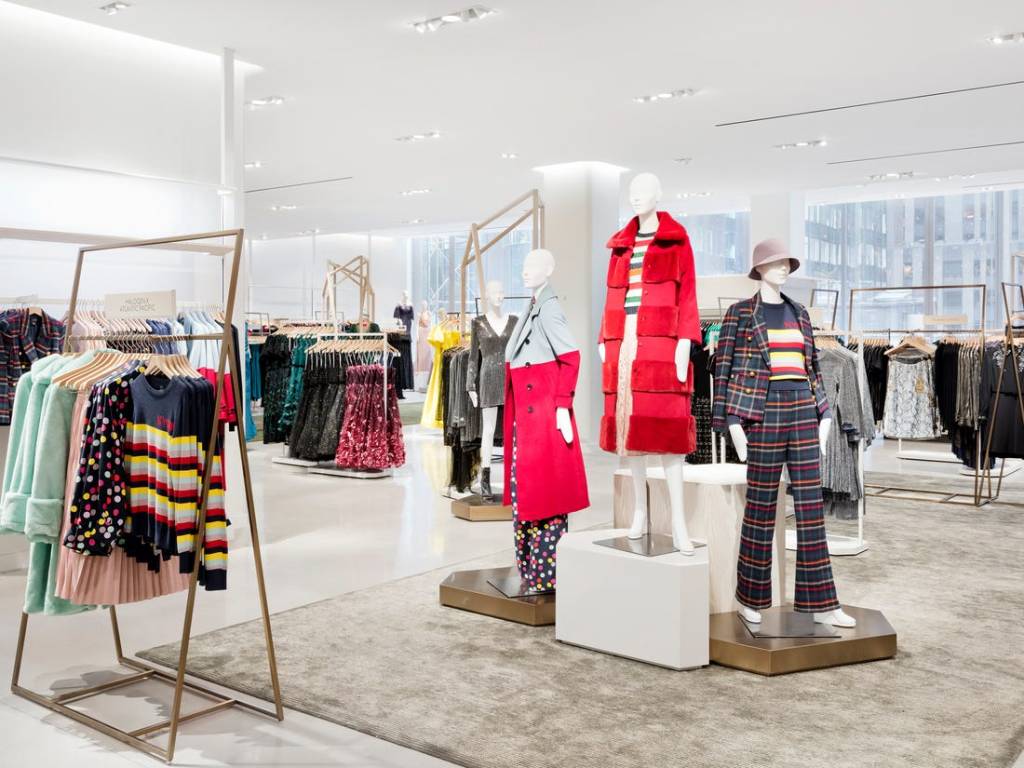
Nordstrom is vertically integrated because of its participation in multiple stages of the value chain. Nordstrom does not exclusively manufacture its own fabric, and therefore, it does not conduct all of its own activities within the boundaries of the firm. Nordstrom is more forward in its vertical integration because it participates in limited stages of the value chain such as retailing and after-sales services. These stages in the value chain place Nordstrom closer to direct interaction with a product’s ultimate customer. Nordstrom has positioned itself in a way that allows the company to be one of the last along the value chain to directly interact with its product before customers make their purchases in store.
 Styled Strategy